.png)
.png)
Stories of connection, creativity and the moments that shape how we work together.
Two hours, a Hot Dollar shop, a yellow umbrella — and a memory that stayed for years.
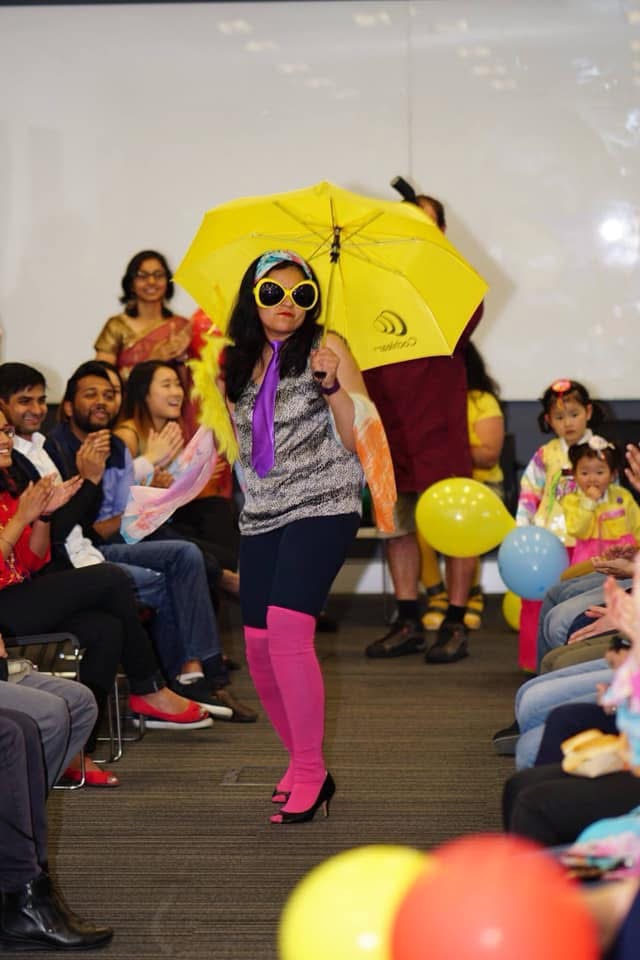
At work, I was immersed in transformation projects — the kind of work that asks for constant thinking, problem-solving and navigating change. Outside work, life had its own demands. And somewhere in the middle of all that came Loud Shirt Day. .
We hadn't spent weeks preparing for it. In fact, just two hours before the event, my team and I went to the Hot Dollar shop looking for a costume. We wandered through the aisles picking up ridiculous things, throwing ideas around and laughing as we tried to figure out what on earth I was going to wear. The preparation became part of the experience. A couple of hours later, there I was — dressed in an outrageously colourful outfit, carrying a bright yellow umbrella, walking the ramp and blowing flying kisses to the audience.And I won first prize.But that's not really why I remember the day.
I remember the joy.
I remember how much fun we had getting ready. The laughter. The excitement. The cheering. Seeing colleagues outside the roles we normally knew them in. And then something interesting happened.
We kept talking about it.
Not just the next morning. For weeks. We replayed moments, laughed about what had happened and remembered the ridiculous little details. Something that had taken only a few hours had created a shared memory that stayed with us far longer.
There was a genuine sense of connection within the team. Nothing about our workload had changed. The transformation projects were still demanding. Life outside work was still complicated.
And I noticed what that did for me.
I felt lighter. Happier. More connected to the people around me and, perhaps unexpectedly, more connected to my work. I carried some of that energy back into what I was doing. I felt engaged, energised and more productive.
We often treat play as the opposite of serious work.
Something frivolous. Something we make time for after the important things have been done. But that experience made me wonder whether we've got that relationship wrong.
Play gives us permission to behave differently.
To laugh without an agenda.
To be a little ridiculous.
To stop worrying about getting everything right.
To see the person behind the job title.
To create something together simply because it feels good.
And somewhere in those moments, our guards can come down.
We connect.
The seemingly unproductive moments may be doing something deeply valuable beneath the surface.
They create shared experiences.
Shared experiences become memories.And those memories can strengthen something organisations spend enormous amounts of time trying to create:human connection.
Years later, I don't remember every meeting I attended during that period. I don't remember every deadline or every problem we solved. But I remember walking that ramp with my yellow umbrella, blowing flying kisses to the audience.
And I remember how happy we were.
Perhaps that is the point.
A year after conflict created distance between us, the stage gave us a reason to reconnect.
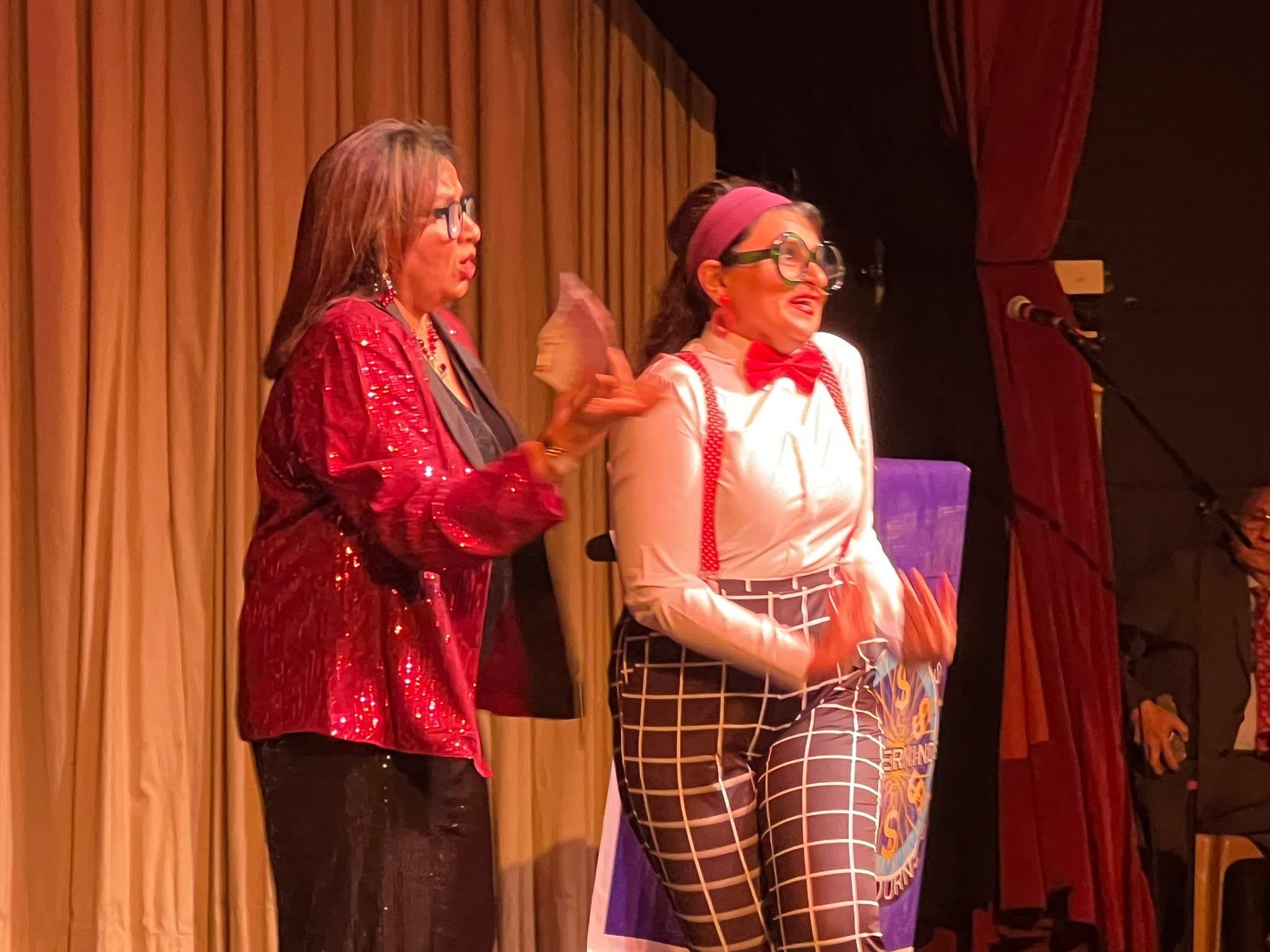
A year earlier, one of my theatre peers and I had experienced a conflict. It created distance between us. We stopped talking, and after a while, that distance simply became normal.
There wasn't an ongoing argument. There wasn't hostility every time we saw each other. There was just something unresolved sitting quietly between us.
Then, a year later, we were cast in the same play.
Suddenly, we had to work together again.
We had scenes to rehearse, lines to remember, cues to follow and a performance that depended on all of us being present for one another.
At first, we were simply doing what needed to be done.
But theatre doesn't really allow you to remain completely separate from the people you're creating with.
You have to listen.
You have to notice.
You have to respond.
And eventually, you have to trust.
Then came the small things — conversations between rehearsals, moments of laughter, helping each other with the performance. Gradually, the awkwardness that had existed between us began to disappear.
There was no dramatic conversation where we sat down and resolved everything that had happened the year before.
By the time we stepped onto the stage together, we weren't two people carrying an old conflict anymore. We were two performers trying to make something work together.
And perhaps that is what I remember most.
Sometimes it begins with doing something together.
Creating together gave us a different place from which to encounter each other — one that wasn't defined by what had happened before.
For a little while, the question wasn't about who had been right or wrong.
It was simply:
That experience stayed with me because it reminded me that relationships don't always repair themselves through carefully constructed conversations.
Sometimes we reconnect through shared experiences. Through laughter.
Through play.
Through having a reason to trust one another again.
Sometimes, we simply need a new place to meet.
Different personalities, different rhythms, one stage — and something we still had to create together.
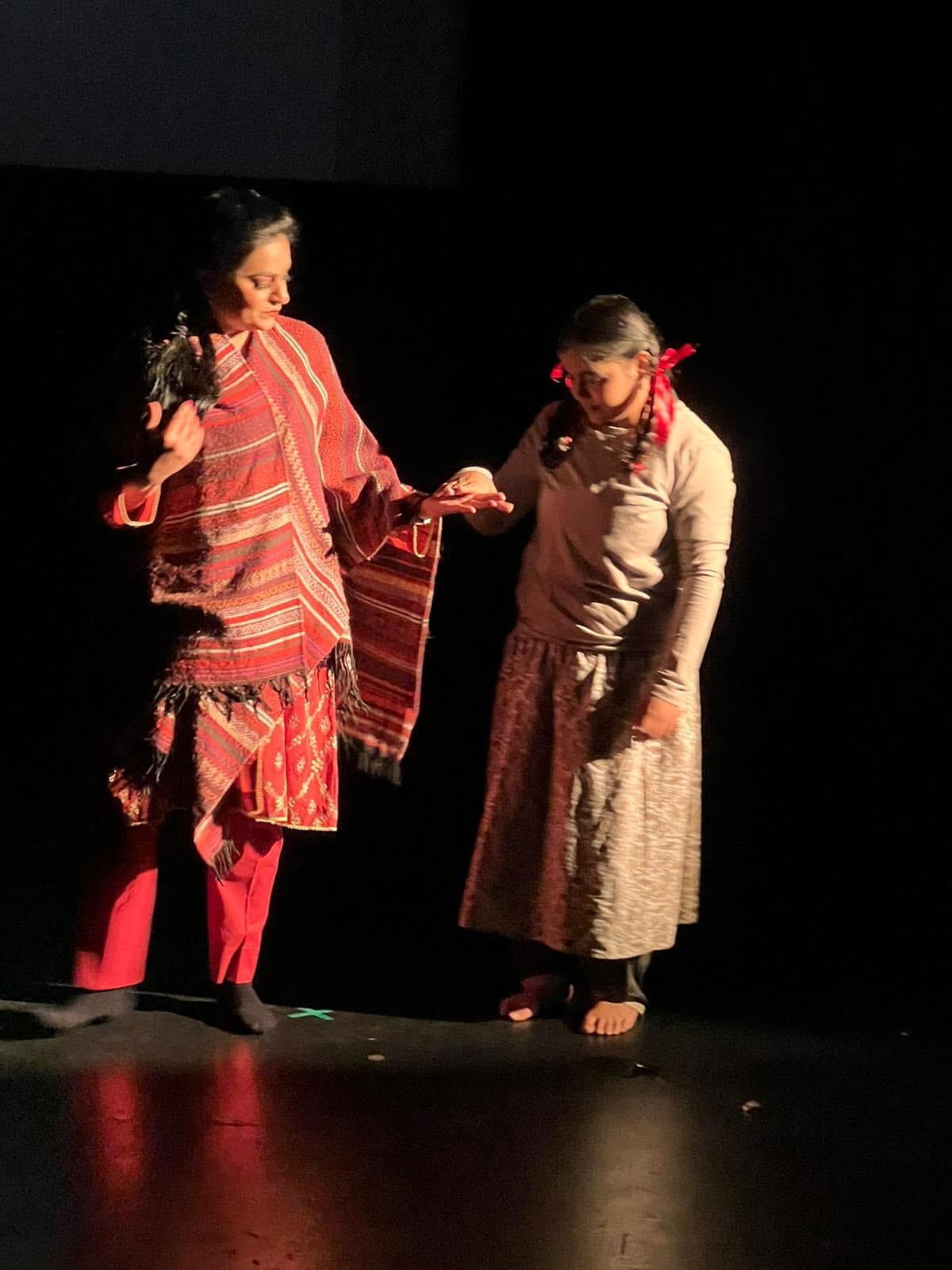
Theatre has a way of making that impossible to ignore.
You work with people who prepare differently, communicate differently and approach the work with completely different personalities. Some arrive early. Some arrive just on time. And sometimes, someone is late when everyone else is ready to rehearse.
It can be frustrating. You have a performance ahead of you, limited time together and something that can only work if everyone plays their part.
But the stage doesn't ask whether everyone works in the same way.
It asks whether you can find a way to work together.
You learn when to wait and when to move forward. When to speak up and when to make room. You adjust your timing, respond to what another person gives you and keep building the scene.
And somewhere in that process, different personalities stop being something the team has to overcome.
They become part of what makes the work interesting.
Teams aren't made up of people who think, communicate or operate exactly alike.
Collaboration isn't about eliminating those differences. It's about developing enough trust, patience and adaptability to create despite them — and sometimes because of them.
Perhaps teamwork isn't everyone moving at the same pace.
Perhaps it's learning how to create together anyway.
Missed rehearsals. Forgotten lines. Unexpected improvisation. And a team that somehow brings it all together.
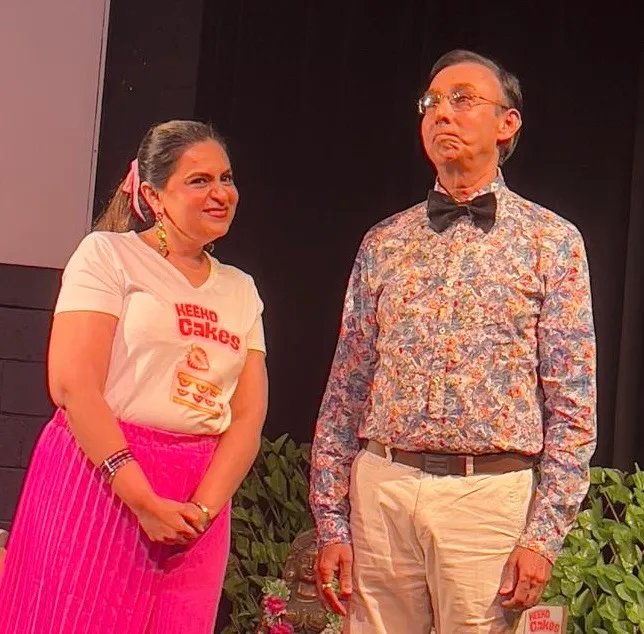
People have jobs. Children. Families. Commitments. Sometimes someone simply can't make it to rehearsal.
But the rehearsal still happens.
Someone reads the missing person's lines. Someone explains where they need to stand. Someone remembers what changed last week. Without really announcing it, the people who are there begin carrying a little more of the work.
Not because it is their part.
Because it is our production.
Some people remember every word exactly as it was written.
And some... create a slightly different version every time.
A sentence changes. A cue arrives unexpectedly. Someone looks at you as if to say, “Just go with it.”So you do.
You listen. You respond. You improvise. And somehow the scene keeps moving.
After the missed rehearsals, competing commitments, forgotten lines and improvised moments, everyone arrives.The lights come on.
And somehow all those individual pieces become one performance.
Nobody watching sees all the moments when someone covered for somebody else. They don't see the rehearsals where a cast member was missing or the quiet adjustments people made along the way.
They see what the team created together.
Strong teams aren't necessarily teams where everything goes according to plan.
They are teams where people step in when someone can't. Where knowledge is shared rather than held by one person. Where people adapt when something unexpected happens. And where everyone understands that the outcome belongs to all of us.
Perhaps that's what a team really is.
Not everyone carrying the same weight at every moment — but knowing that when one person can't, someone else will.
Through discovery conversations with Ilana, I learned about her patients — why they came to her, what they were looking for, the questions they had and what they needed to understand before deciding to book.
With a broad range of treatments and areas of care, the challenge wasn’t simply presenting information.
It was creating a clearer path for each person to find what mattered to them.
Those insights shaped the website experience — from the information architecture and navigation to the way the content was written and structured.
The aim was to make it easier for people to understand Ilana’s approach, explore the care relevant to them and confidently take the next step.
Good design doesn't begin with the screen.
It begins with understanding the person on the other side of it.
Theatre taught me something I carried into every part of my professional life.
People don't always arrive at the same time, think the same way, remember the same lines or see things from the same perspective.
And yet, when there is trust, curiosity and room to play, we find ways to create together.
That is the idea behind Flute on Canvas.
.png)
Whether you’re reimagining workplace culture, reimagining customer experience or creating better experiences, we’d love to hear what you’re working on.
Where people, creativity and technology come together.